Category: How TO / DIY

Whether you’re concerned about saving space in your bag or the size restrictions, organizing all of your stuff into one spot seems impossible. What better way to hack your way to a more efficient suitcase than using the best tips and tricks out there.

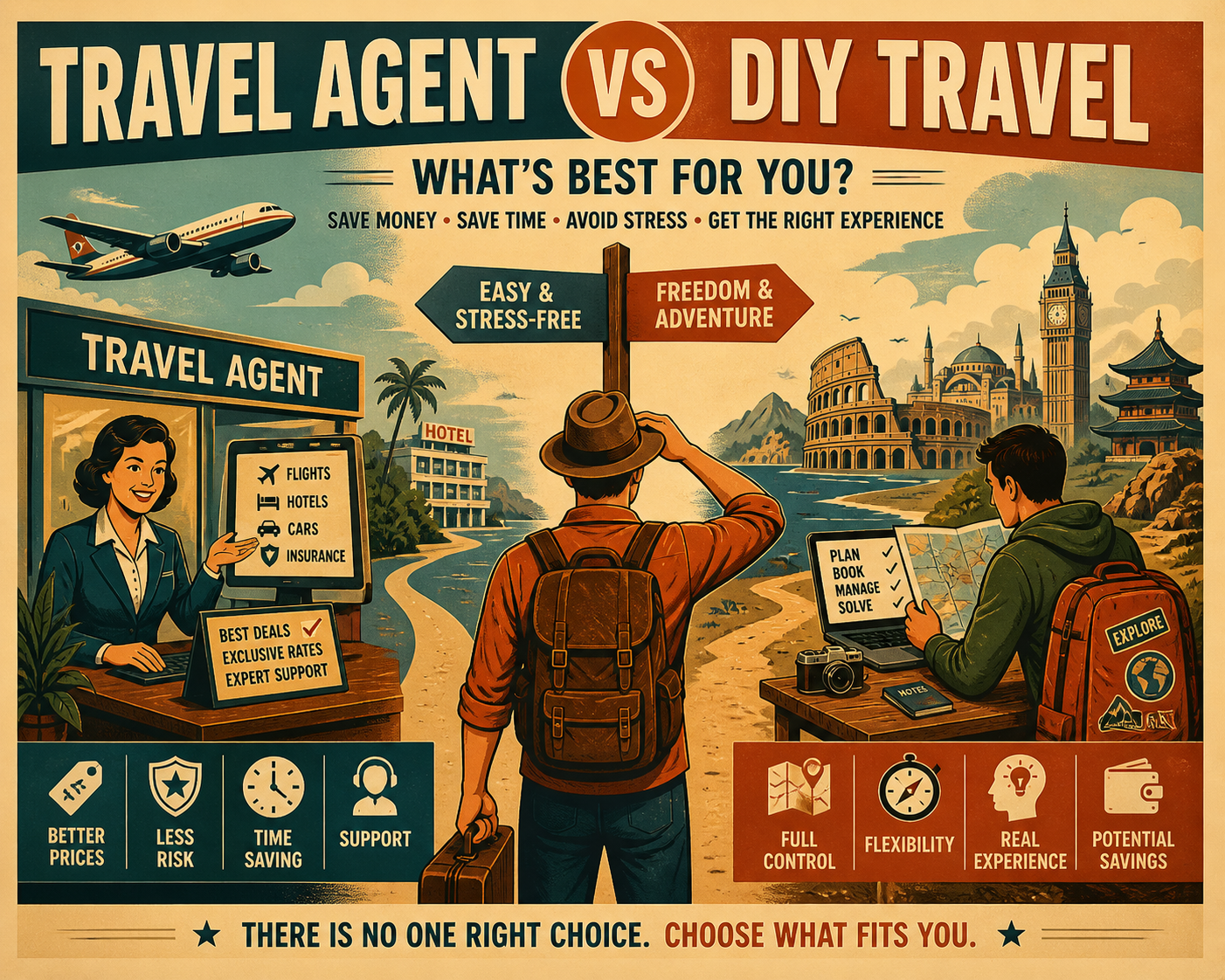
  • What a Travel Agent Can Do That You Can’t Do Yourself

    What a Travel Agent Can Do That You Can’t Do Yourself

    1. Introduction: The Real Question Behind Travel Agents

    Travel looks simple now. You open a few apps, compare prices, and book everything in minutes. Flights, hotels, and even visas feel accessible.

    But the real question is not whether you can book everything yourself. You can.

    The real question is whether you should.

    You only understand the difference after you deal with real travel problems. I planned trips for myself, friends, and family. I also worked with travel agents and handled group travel where everything had to work across countries, time zones, and budgets.

    This is what actually matters when you compare both approaches.


    2. My Background in Travel Planning

    I plan travel in different ways.

    I plan my own trips, planning trips for friends and family. Also handling local travel, regional travel, and international travel. I also manage group trips where timing, documents, and coordination become critical.

    I also worked with travel agents and observed how they operate. In some cases, I acted like one myself, handling bookings, visas, and logistics for multiple people.

    So I know both sides.

    DIY travel. And agency travel.


    3. What Goes Wrong When You Plan Everything Yourself

    Hidden costs change your budget

    You book a hotel at a low price. You think you are staying within budget. Then you arrive and pay more.

    In Italy, I booked a hotel for around $15 to $20 per night. The final price became $30. The difference came from taxes and fees that were not clear at the time of booking.

    You do not always see the full cost upfront when you book alone.


    Small mistakes create big problems

    Group travel increases risk.

    In one trip with friends, I handled visas for most of the group. One person already had a visa, but their passport validity was too short for entry rules. It had two months left, but the requirement was at least three months.

    We reached the airport with everything ready, but this detail almost stopped boarding. Then spent hours talking with airport staff. So we only got through because we arrived early and pushed the process forward.

    One missed check creates hours of stress.


    Time zones create confusion

    Flight schedules look simple until you deal with different countries.

    You see departure and arrival times that look identical on paper, but they are not. The time reference changes depending on where the ticket originates.

    If you do not double-check, you risk missing flights or misreading your itinerary.


    4. Where Travel Agents Add Real Value

    Better pricing access

    Travel agents often access prices you do not see on public platforms.

    In one family trip, hotel prices dropped by 20 to 30 percent when booked through an agent compared to direct booking platforms, even with loyalty discounts.

    Agents work with bulk bookings and long-term agreements. You do not.


    Bundled travel savings

    Agents combine flights, hotels, and transport into packages.

    This creates better pricing and simpler coordination. You avoid managing multiple systems and separate bookings.

    You also get access to deals that depend on volume, not individual bookings.


    Support for higher-risk travelers

    Families with children, elderly travelers, or complex itineraries benefit most.

    Agents handle insurance, documentation, and coordination. They reduce exposure to common travel risks.

    You do not need to manage every detail yourself.


    5. Where DIY Travel Works Better

    Move faster

    You do not wait for approvals or back-and-forth communication. You choose, book, and adjust instantly.


    Learn the system

    DIY travel builds experience.

    You learn how visas work, understand airline rules. Then check how hotels structure pricing and improve every trip you take.


    Handling real problems directly

    On a flight from Germany, an accident caused a two-hour delay. We missed our hotel booking at the destination.

    So we handled everything ourselves. We filed compensation directly with the airline. It took minutes to submit and days to receive a refund.

    No agent was needed.

    Direct action worked better.


    6. When Travel Agents Fail You

    Agents are not physically present when problems happen.

    In one case, a family arrived after a long journey and waited hours to check in, even though the booking was confirmed. The hotel was overbooked.

    Later, they received a room that was not suitable, with shared access issues. They had to go back to reception and fix the problem themselves.

    The agent responded but could not solve it on the spot.

    Distance limits action.


    7. Not All Travel Agents Work the Same

    Travel agents vary a lot.

    Some are large companies with strong systems. Some are solo operators with limited experience.

    Experience matters more than reputation alone.

    I also had a case where an agent turned out to be unreliable. The process broke down, and we had to go through legal steps to recover money.

    Even feedback from others does not guarantee your outcome.

    You still need to check their real capability for your specific trip.


    8. Clear Decision Framework

    Use a travel agent when:

    • You do not have time to manage travel
    • You want a stress-free process
    • You travel with family, children, or elderly people
    • You prefer convenience over control

    Do it yourself when:

    • You want full control over your trip
    • You enjoy planning and research
    • You want to learn from experience
    • You are flexible and can solve problems on the move

    9. The Core Truth

    Travel depends on how you think.

    Some people want structure. They want someone to handle everything. A travel agent fits that need.

    Some people want control. They want experience and flexibility. DIY travel fits that need.

    There is no universal answer.

    There is only what fits your situation.


    10. Conclusion

    Travel agents and DIY planning both work.

    But they solve different problems.

    Use an agent when you want convenience and reduced stress.

    Plan yourself when you want control and experience.

    Most important point: choose based on how you travel, not what looks cheaper or easier on paper.

  • 9 Tips to Learn a Language When You Travel

    9 Tips to Learn a Language When You Travel

    How well do you speak your native language? Pretty well, I must say. Mother tongue dominates every culture, wherever you go, you will see people talking in their mother tongue regardless of how many languages they might be familiar with.

    If you travel around the world, know this, listening to a different language is like music to your ears, obviously, you can’t always understand it, if that’s the case, you just learn it.

    In order to learn a language when you travel you need courage, stamina, and patience to reach the proficiency level. Traveling is fun, but what if you pay closer attention to the words being said around you?

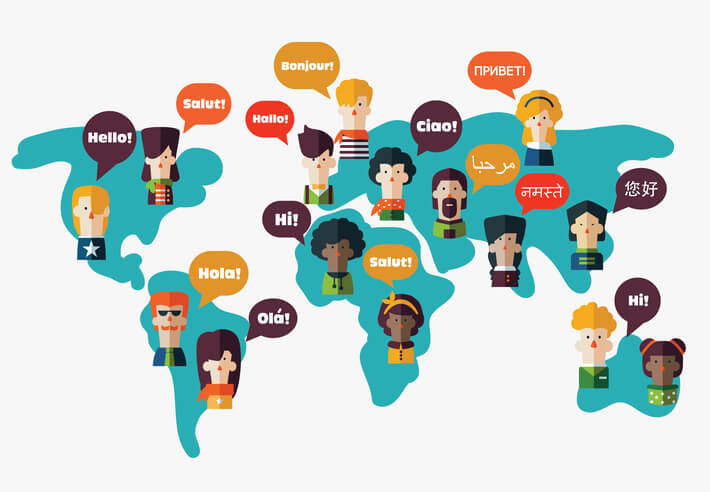
    What’s it going to be; Ciao or Hello?

    Traveling is an exciting venture, you can’t miss. As long as you are on foreign lands, take a moment out of the exciting activities and listen to what people are saying. If you are a traveler you are a keen learner as well.

    Although the tourists around the globe often take travel translation services, otherwise, if you want to have a more interesting experience, you can try learning a new language by yourself.

    Turns out, traveling sharpen your observation skills so let’s configure out some creative ways of learning a new language amid your traveling adventures.

    1. Duolingo is your new best friend

    Before you plan to travel, download the app of Duolingo. The name makes it pretty much obvious, you will learn various languages in a short amount of time.

    In technical terms, you can get accustomed to speaking Chinese or Korean, etc. if you keep practicing short phrases and pass the 25 levels of structured sentences.

    So what’s your excuse not to learn a new language?

    2. Pick a country

    It’s a hard pick to decide which country to travel to, right? Also, think about the language you want to learn when traveling.

    Remember to travel to a country that fascinates you, especially the language. A native country is the best language hub for learning a cultural language. If you stumble upon, let’s say China, you can learn a lot from people.

    If you are planning to travel for the long-term that you can do a part-time job as well to better get accustomed to your surroundings and learn a lot. You will be surprised how much memory is stored in your subconscious mind.

    3. Find yourself a partner

    There was a time if you had a pen friend you got to know a lot about that person and the region he/she belonged to.

    These days, social media has taken a hit and the modern pen friends (followers) can let you know where you should travel.

    Many online friends plan to travel alone to one’s homeland and then he/she introduces the friend from abroad, to the culture and people. It’s easier this way if you have a native guiding you at every turn and step. Keep practicing words like hello, goodbye, etc. and you will eventually catch up with the rest.

    4. Try self-study to learn a language when you travel

    A little old school technique can save you from speaking out the wrong phrase at the wrong time. The more hours you spend on learning the names of people, places, and daily routine words via a local dictionary the better it will be.

    Self-study is not only based on reading but also requires listening and visually as well. If you listen to music, you may tend to learn faster because the mode of studying is way cooler than reading an old book.

    For every person, self-study practice varies. May be your hearing skills are sharper than your reading skills. So you can learn the language in an easy way either by watching movies or talking or vice versa.

    5. Travel outside of tourist spots

    It may sound skeptical, but it is for the best. Why? If you limit yourself to particular places, how will you learn a language when you are surrounded by foreigners like yourself?

    This advice comes highly recommended to make plans to visit where the native culture is more prominent. Stepping outside the comfort zone of tourist hubs can let you better get accommodated with the area and people.

    You will be surprised, people love the idea of tourists trying to learn their language, mostly because they find it quite hilarious.

    You can better learn a language when you travel to underrated travel destinations; more than picking a touristy spot where everyone speaks English and no locals to help you practice the local language.

    6. Be the first to volunteer

    Volunteering can also lead to traveling to developing countries. For example, if you are a medical student, joining an NGO and volunteer your medical skills, it will actually be a bonus point to learn a new language.

    You can’t imagine how much doctors and members of medical teams can learn from the medical camps across various countries.

    It’s not only helpful to communicate the native victims or survivors but lets you have more confidence in treating the patients as well.

    I can bet you didn’t think of it this way, but who knew you can technically save lives by speaking a second language?

    7. Focal point

    You can’t simultaneously learn two languages at a time. It is hard as it is to resonate the words and memorize the context so keep your focus on one language at a time.

    Overconfidence can kill the joy of learning a new language so be pretty much clear about which language you want to learn first.

    Once you decide that, you can always get the information from your surroundings such as signboards, banners (yes advertisement works a wonder) and food labels help restore the memory faster than you can possibly think.

    8. Change your phone language

    Ok, this will practically drain your mind but it’s a must-try. Online pages (like social media) alongside your cellphone have multi-languages installed. You can practice in a better way if you are interacting with the language at a more personal level.

    Even after you study a language, you feel as if you didn’t learn anything at all, however that’s not the case. You have learned it all by heart, so have no fear when its time to implement your learning into practical mode.

    Consider it as testing, this way you can judge how much you learned. And keep practicing if you fail, never rush towards learning a new language. 

    9. Before you leave, keep practicing

    You may not be a quick learner, but have a strong will and motivation to learn the language wherever you go. If one door is closed for you, remember there are other ways to escape and you can learn whenever you want.

    Why not make traveling more exciting with a laughable expression? At least give it a try and see where it lands you.

  • 5 Road Trip Tips for an Epic and Safe Drive

    5 Road Trip Tips for an Epic and Safe Drive

    On every traveler’s bucket list, there is a destination that can be reached by road. Sometimes you decide to take long drives with friends or family. Those road trip tips change a lot in the traveler’s journey.

    There are various reasons why one should go on a road trip, and the best reason is that it helps the traveler gain confidence and feel more independent compared to other transportation modes.

    There is no wonder that road traveling gives so much knowledge about the world and its beautiful places, things you’ll miss when traveling by airplanes or trains.

    When it comes to a group of friends or a family trip, be sure that road trips are everyone’s favorite. The best part about taking a long road trip is that you don’t just get to see the final destination, instead, you get to see so many places that come in your way.

    You can stop at any place to enjoy the journey, take pictures of a beautiful sunset, or just breathe fresh air which you miss in crowded big cities. On a road trip, you are limitless.

    There are no rules by any other person that you have to follow. When taking a long car ride, you’re allowed to detour to any other place and experience an altogether new adventure.

    Road trip tips each traveler should know about

    When taking a road trip you’re more than a traveler, you have options, driving to your next destination in the bucket list gives you the chance to be more adventurer.

    But, while on the road you’ll face risks and moves out of the comfort zone to see what the world has to offer. Going for a long drive enhances your personality and the way you view the world.

    Meeting a lot of people while you are traveling is another point for road trips, making unforgettable memories and learning through experiences is another one.

    Every traveler should take a road trip, sometimes because a lot of places are only accessible by road, that is why those places are so underrated, still beautiful.

    Preparing for a road trip is about not getting into any inconvenience while you are on the road. Below is a list of some long road trip tips every traveler should read before planing to drive long distances.

    1. Prepare your vehicle

    How to prepare for a road trip starts with making your vehicle ready to hit the road for a long drive. If you do not prepare your vehicle well before taking the road; then you can face some major issues during your journey.

    First of all, make sure to check the coolant, oil, engine, brakes, tires, lights, etc. You should check all your car or motorcycle accessories well before leaving.

    Try to never leave anything for the last minutes and prepare yourself with everything required for your car or motorcycle. For example, make sure to check the engine temperature two days prior to leaving, if something isn’t right you can go back to the garage or a mechanic to fix it.

    Also, don’t make any major maintenance on the engine parts prior to leaving, the trip you’re taking isn’t a test drive, you need to drive long-distance being sure nothing will get worse or needs to be rechecked.

    In addition to the engine, try to carry spare tires for your bike or car so that you do not have to face any flat tire situation. Or at least pack a tire sealant bottle.

    2. Prepare yourself

    According to some resources like Huffpost and Forbes, the major causes of car accidents are human-related like using drugs and alcohol behind the wheel, speeding and reckless driving, and the famous distracted driving.

    Road trips are not as easy as they look. It’s very common to get highway hypnosis, according to research done by Anne Marie Helmenstine, Ph.D.at the University of Tennessee; sometimes you can’t remember how you got to your destination. It’s very dangerous and you should prepare yourself both mentally and physically by fellowing some long-distance tips.

    First, you need to prepare yourself well in advance while you plan your trip. Every driver needs mental preparation for all kinds of inconveniences during long drives.

    Getting plenty of sleep before any long-distance driving is mandatory, eating healthy and avoiding junk food can help to keep away from the restroom for a long time. It would help you to be more active and ready for the challenges that will come your way.

    Also, try to plan for some rest stops, try some to chew gum to keep some kind of circulation and alertness in your body, and in order to avoid driving fatigue, keep a peppermint candy nearby to refresh once a while.

    3. Make reservations and bookings

    Sometimes road trips are spontaneous, but it does not mean that you don’t make any reservations or bookings because you’re acting adventurous. At least, you need to know about the area that you’re planning to visit, in order to get an idea about the available options once you arrive.

    After driving for a while, you feel tired, and it becomes exhausting to go hotel hunting when reaching your destination. Basically, every driver needs to make some driving plans, or outsource this task to one of the passengers.

    So it’s better to make hotel reservations beforehand, to make it easy reaching the hotel, do the check-in and take a rest.

    4. Carry your essentials

    One of the major reasons that can ruin your road trip is the weather, try to check the destination’s temperatures (day and night, low and hight) before leaving.

    If you’re driving for a long-distance and spending more than 12hrs on the road, you may be passing by some regions with different temperatures, so you need to be prepared for climate changes on the road.

    It becomes imperative for you to carry all the road trip essentials accordingly. Besides the snacks and the daypack needed for the road trip you need to pack a full first aid box and knowing how to use it, is something you need to think about.

    Packing the necessary medicines that you will need will help you enjoy the road trip without thinking about how to get your subscription on the way.

    When it comes to carrying clothes, it depends on the weather you’ll encounter during the long journey before reaching your destination, packing some healthy snacks is a great idea too.

    In order to enjoy a hassle-free trip, make sure to know those tricks when planning your road trip tips.

    5. Be safe while traveling

    When you are driving on the road, you should be alert about all the things around you. Pay attention to the signs and signals on the road. Also, be attentive towards the signals of other bikes and cars.

    Don’t be distracted by your phone (calling or texting), focus on the road but not for a long time, if you need a rest just pull over and try to get a 15-minute rest to get your mind off the road for a while. Doing this, you will make sure that you do not land in some kind of trouble or road accident.

    Adhering to the speed limits of the road keeps you away from getting a fine for over speeding, things that can discourage and distract your driving.

    Awareness towards aggressive and reckless drivers is also necessary for staying safe on the road. Keep all these things in your mind while you are planning a long drive on the road.

    Include your own road trip tips

    Even if those road trip tips are essential for you to go through before leaving for a road trip, every driver and traveler has his own driving habits, so try to include your own tips on your plan to enjoy the best of your journey.

    Road trips are fun, but they are also very risky. Make sure to plan out the trip well, so that you do not face any kind of inconvenience during the journey. Stay safe, alert and enjoy the trip.

    Resources:

    • www.thoughtco.com/understanding-highway-hypnosis-4151811
    • www.forbes.com/sites/investopedia/2012/11/14/the-high-price-of-speeding
    • www.huffpost.com/entry/top-15-causes-of-car-accidents_b_11722196
    • www.smartertravel.com/10-half-tips-road-trips
    • www.nhtsa.gov/risky-driving/distracted-driving
  • 7 Less-known Tricks to Travel on a Budget

    7 Less-known Tricks to Travel on a Budget

    Quite often, having the urge to travel is not a question of financial means! You feel the need to explore the world, whether you have money or not. But how can you travel on a budget?

    Traveling isn’t as easy as promoted by social media and other travel websites, some people have limited resources; others are temporarily going through a period of budget restraint or unemployment.

    Making a travel budget is a project that requires you to review priorities, you will face difficulties…You will confront a challenge: how to go on a trip for less money?

    Travel on a Budget is a Way of Life

    I asked myself the same question because this year I embarked on a great adventure purchasing my first real estate in my hometown, so between the price of the apartment itself, the notary fees and the remodeling, it is better to mention that traveling on a small budget was the only solution.

    1.  Tight Budget? Start Planing Asap

    When you have a small budget dedicated to travel, you have to anticipate because, with few exceptions, prices tend to increase when doing it at the last minute.

    Booking your holiday in advance can often benefit in lower fares or small bonuses for example: having breakfast for the same price when booking a hotel room.

    Nowadays more websites are offering a price evaluation system, that makes it easy for you to find the periods that offer the most suitable rates to the destination of your choice.

    Low Fare Finder from EasyJet

    On EasyJet, you can check the low fare finder, the price of a flight can vary from $40 to $150 during the same month, to the same destination! If you have the possibility to be flexible on your dates, it is an excellent way of saving on travel money.

    2. Avoid Rush Hour and Peak Periods

    The prices increase considerably on some periods of the year: the months of July and August, the Christmas season in some regions, on the New Year’s Eve period and the extended weekends.

    It varies according to the destination but there are always periods when you will pay much more for the same thing.

    For example: If you don’t have kids yet, it’s better for you to go out in the off-season (where the weather is still mild)… And if you have children, you can travel and enjoy the Easter Holidays instead of summer vacation.

    Also, if your boss allows flexible time off, try to leave in the middle of the week instead of waiting until the weekend. It is often a simple way to save on plane ticket and it makes you feel like you’re leaving for longer.

    3. Reduce Incidental Expenses

    Very often, the on-budget airlines make money from incidental expenses, besides the price for the trip (check the article to learn more about those expenses).

    You’ll be paying for luggage, seat availability and the onboard shopping… These are not necessarily big expenses, but they can represent a significant budget and you better think about saving some extra pennies to enjoy on a trip!

    Traveling light is one of the best things you can do to save on tickets, being flexible about the choice of seats if you’re boarding a short flight, having coffee at home before you leave… Those tiny details will save you some cash when you travel on a budget, and you can spend your savings on other important activities.

    4. Study Different Accommodation Options

    The accommodation is often a major expense when going on vacation. To travel on a budget, you can first explore the possibilities of staying at your surroundings or you can ask your friends for lending you a place to stay in and it could be a better way of saving money.

    You can also consider home swap: you can leave your home to another family… Beyond the opportunity to exchange your daily life with local people, this solution allows you to leave for a long time without spending too much money on accommodation.

    Of course, it requires a lot of effort, you have to stay available for your guests, preparing your accommodation so that they feel more at home. But finally, it’s cheaper, easy and with time it will become a pleasure sharing your culture.

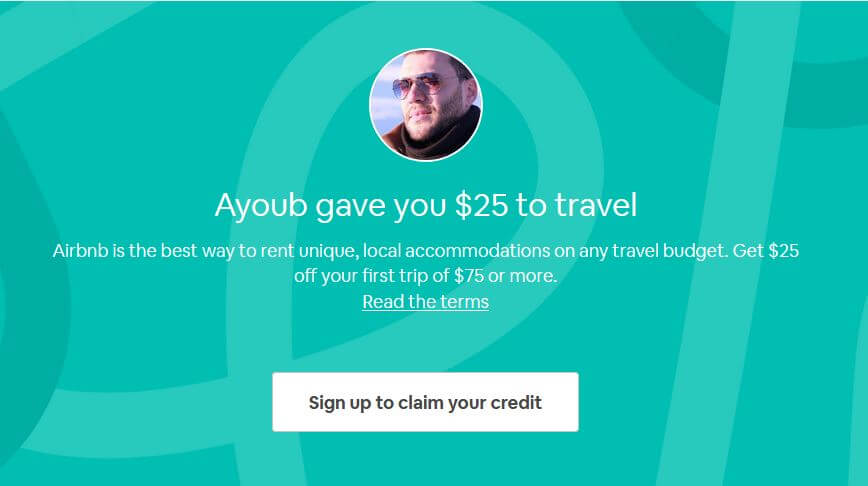
    There are many accommodation options to get out of the very classic hotel: camping, Airbnb, couch surfing, youth hostels… On Airbnb, feel free using the referral link on the picture below to get a $25 off your first booking using Airbnb.

    Play-my-trip-airbnb

     5. Consume Local for a Cheap Trip

    If you are traveling on a budget, you have to try to limit restaurant expenses, as it is the most activity consuming money on a trip. Make sure to have one of those expenses app on your phone in order to check and save on your trip.

    Instead try local food, as the costs are often cheaper with fewer intermediaries, no huge transportation costs from the other side of the world and you’ll support local businesses and producers. In addition, you’ll have the opportunity of discovering the local cuisine.

    If you have busy days, try reducing your meals, for example having breakfast at the hotel, and making small sandwiches for lunch, when it comes to dinner you can spend more having a good meal at a restaurant.

    6. Choose Free Activities

    More and more people are facing the need to travel on a budget, travel offers also try to adapt to this situation. In many cities, for example, you can find free walks, you can type the keyword “free walk” or “free tour” + the name of the city on Google and pick one of many interesting offers.

    There are often free activities to do: free concerts, street shows, walks, free museums at certain times of the day… With a little resourcefulness and a lot of Google research prior to your travel, you can create a full program without necessarily spending a lot of money!

    7. Limit Unnecessary Shopping

    We already said that you don’t have to drink coffee on the plane, or buy your cigarettes onboard, the same thing goes for your trip.

    Sometimes, when traveling, there is a strong temptation to bring back memories that seem to be a good idea on the spot but end up gathering dust once you get home such as the mugs, the funny t-shirts that you buy on a trip and then don’t come out of the closet.

    To limit unnecessary purchases and take funny memories with you home, you can take pictures or buy postcards, such things make you happy and don’t cost much.

    Also, some little souvenirs like fridge magnets and stickers cost less money and save good memories from your trip, I myself have a collection of magnets I get from every country/city I visit and I never regret buying those.

    Make sure to sure a Travel Card when paying for your souvenirs, I personally use TranferWise Card as this one reduce the exchange rates and let you pay with local currencies, you can use it either online or in shops so it’s a perfect choice to save some expenses while abroad.

    8. Low-Cost Living Destinations

    When you travel on a budget, you need to learn how to make priorities.

    First of all, you can decide to spend three days in a dreamy destination while counting every penny and depriving yourself of everything… or betting on a cheap destination, which was not necessarily on top of your bucket list at the beginning, but where you can stay longer, enjoying the trip more!

    Second, you have to be aware that there are some great destinations where the cost of living is much lower than in a country like France.

    For example Poland! I had a magical stay in Krakow (when I didn’t really expect to appreciate this country so much) and you can have a meal of 5€ only, you can find impeccable accommodation for 15-20€ per night.

    Some countries like Hungary (Baths of Budapest is a good choice) or Bulgaria allows you to afford a cheap trip. You can also find rooms at very reasonable prices in Moroccon or rent an apartment at very low prices in Tunisia

    Budapest_Hungary

    Besides low accommodation prices in those countries, you can enjoy unusual activities paying less, like visiting the Mos Espa in Tunisia and booking a tour with 20€.

    star-wars-mos-espa-onk-jemal-tunisia

    Traveling on a Budget is all about Planning

    In my opinion, If you’re looking for cheap travel solutions, the only thing you should not save for is the time you spend on preparing and planning for your vacation.

    Low-budget trips are always about how much you get involved in the organization, dig a little deeper to find good deals but when you arrive, you can enjoy yourself as much as any other vacation package.

    Many people lack resourceful travel tips: they lack organization, give up before even looking… If you really want to go on a trip, hang on and dare, perseverance always pays!

  • 9 Airline Secrets You Should Know About

    9 Airline Secrets You Should Know About

    Are Airline Secrets a myth? every day thousands of planes carrying millions of people travel all over the world delivering you and your belongings to a particular destination. Air travel is a way of life for many, and on the surface, it seems pretty straightforward.

    Airline Secrets are now revealed

    However, there are some airline secrets that travel companies avoid telling you or work hard to keep a secret. From cleanliness to cargo to overbooking, these little tidbits of information may just make you look at air travel in a whole new way.

    1. Overbooked Flights

    You show up for your flight, and oh no it’s been overbooked. If you’re not in a rush and are willing to be bumped don’t get too eager to accept the first voucher they offer.

    Airline insiders say that “until they get enough vouchers to give up their seat, companies will often keep increasing their reimbursement packages.”

    Have no choice in the matter? Demand a written check right there because most companies will do that. You’re entitled to up to $1000 cash in reimbursement.

    2. Mobile phones on Airplanes

    We’ve all been there, you’ve boarded and you’re ready to go. Suddenly the flight attendants give you that speech about turning off your electronic devices.

    They never really say why, but it’s implied if even one person is left texting or playing Angry Birds on takeoff everyone is doomed.

    So what is it that they are worried about? The reality is that unless you smuggled a flaming galaxy note 7 aboard, nothing terrible is going to happen.

    It’s just that phones can interfere with communications in the cockpit and annoy the pilots, when they’re trying to talk to each other and the control tower.

    3. HR, not human resources

    Luggage, animals – these are the sorts of things we all know to travel in the storage area of the plane located beneath our feet. However, one item which is found on many planes isn’t as widely advertised by the airlines.

    We are talking about? dead bodies.

    People die all the time, and when they are far away from home; the only way to ship their remains back home is in the cargo hold of the plane.

    So if you hear any of the flight crew or airline employees discussing HR or Jim Wilson; these are airline codes for “you’ll be having a corpse on board with you today“

    4. Meaningless Ticket

    Airlines overbooked all the time, why? they want to fly with the plane as full as possible to make it more economical.

    Airlines understand that people are late all the time, so they hedge their bets by adding more than a few extra people to each flight to compensate.

    However, should everyone show up?

    It could mean that that ticket you have in your hands is pretty worthless. At least as far as getting on that particular flight is concerned.

    You can get bumped and then have to spend “few hours” fighting for compensation; while you watch the rest of your fellow passengers board and fly away.

    5. Shrinking Airplane Seats

    Have you noticed that today you seem to get less for your money than you did a couple of decades ago? Before we start ranting about how you could buy a chocolate bar for a nickel, let’s look at the airline.

    Yes, the last time you were on board, that seat did seem smaller. No, you aren’t going crazy, and no, you’re not putting on weight.

    Those seats are in fact getting smaller.

    It’s just the airline’s don’t like to advertise, especially on newer planes, a study from Time Magazine have revealed that “seats are around one inch smaller so they can squeeze more onboard“

    It’s definitely one of the airline secrets they don’t like to admit.

    6. Never Drink the Water

    If you’re thirsty, after this you’ll want to stick to bottled drinks and alcohol.

    Again, Time magazine revealed a study about how the tanks used to store water on planes were pretty disgusting.

    Sure they clean and bleach the tanks every now and then. But, this doesn’t remove a lot of the sediment and scum that’s left floating inside.

    Can’t believe this? well, just count how many cabin crew you see enjoying tea and coffee next time, the answer is likely zero.

    On many airlines the water is so bad they won’t even touch it, so drink up.

    7. Rough Landings

    Most people equate rough landings with windy weather or inexperienced pilots, this can be true.

    However, more commonly you’re not told that a hard landing can occur in wet weather or when your passenger liner is making a landing on a shorter runway.

    In the case of a wet runway, a hard landing is done to stick the plane to the tarmac and prevent it from sliding.

    For short runways, the pilot doesn’t have room to gradually ease down, it’s all about cutting the power and stopping that multi-ton aircraft before the runway ends.

    8. Dirt and Germs

    When you first board your plane it looks bright and clean, don’t be fooled, that bad boy is filled with just as many germs as a public bathroom.

    What’s the worst area on the plane?

    Well, that tray you put up and down is said to be one of the most bacteria-ridden areas on a modern jetliner.

    One of my favorite airline secrets, the airline crew often doesn’t have time to clean the trays, meaning that the surface has all the germs from the last person still on it.

    Worse yet, if a parent has decided to check or change a dirty diaper there, well, you can imagine.

    9. Night Lights

    Have you ever flown at night or maybe travel a long distance so that when night comes, the cabin lights get turned down to a soothing level? That is not for your comfort or to facilitate your sleep.

    Those dim lights are actually to prepare your eyes for an emergency, how so?

    Dimming the interior lights at night means that passengers will have improved sight when escaping from a plane into the darkness of the night, that’s thoughtful, in a disturbing way.

    With this information in hand, you are now fully ready to head to or run from your next flight, bon voyage and next time think about trains.

  • 7 Travel Safety Tips protecting your stuff

    7 Travel Safety Tips protecting your stuff

    The most common question in travel communities, how to keep your things safe when traveling? whether it’s in a hostel, using public transportation or on the beach. Check those travel safety tips to reveal the secrets of how to keep your stuff safe.

    To travel in safety you should follow the following tips:

    1. Safety Tip before leaving home:

    Before leaving for your trip, and if you are traveling with some super expensive stuff, you should check your travel insurance.

    For example, if you’re a photographer and you really want to pack your DSLR, paid thousand dollars, then you notice that your travel insurance doesn’t cover expensive personal items like Laptops and Cameras. If this case you should leave your DSLR home and never risk it.

    If you’re worried about losing something simply don’t pack it in your backpack, when you are seriously concerned about losing things and you’re panicking about it, just leave it at home it’s not worth it.

    While sometimes it’s really important to pack your DSLR (taking pictures for your blog) or traveling with your Laptop (working as a Digital Nomad while abroad), then you should think about an add-on for the travel insurance to cover the expensive stuff.

    The cost of the insurance can’t be as expensive as losing your important things, also you’ll get the peace of mind when traveling.

    2. Hostels Safety Tip:

    Most hostels do have lockers but they won’t give you the lock, you can rent one from the front desk at the hostel, or simply buy one prior to leaving.

    The lock doesn’t have to be a massive or an expensive padlock, some of those come with a key or a code to unlock.

    Make sure to pack one of those small locks to use it on the hostel’s locker to keep your valuables safe.

    Also if you arrive in a hostel you will automatically have a feeling if it’s a cool place and people there seem nice. Some hostel has bad vibes and you’ll feel uncomfortable leaving your things in the hostel.

    When encountering this situation, you can just leave that hostel and try to find another one, you have the freedom to move, change your mind and change your plans because your safety is more important than anything else.

    I personally always make a plan B for those situations, yes you’ll be spending more money on the next hostel, but you’ll feel safer.

    Your safety is way more important than anything else including losing a deposit of however much you paid for the first -apparently- not safe hostel.

    Even if you feel the hostel is safe, you should keep your belongings in your backpack and under your bed (besides using the locker for other stuff). Believe me, I traveled a lot and things get stolen in hostels more than anywhere else.

    Another tip, keep your valuables deep inside your backpack/suitcase, if anyone is frisking your belongings, don’t make it easy for them to take your DSLR who’s packed on top of your clothes, obvious!

    You don’t have to be worried because this kind of stealing does not happen too much. It’s better to be safe than sorry.

    3. Passport and Documents

    When traveling in your country you should never bring your passports, some people do take their passports in case they go on a spontaneous trip abroad.

    Always leave your important documents home, even when traveling outside your country, make sure to leave back home your driver’s license, ID and other documents, as you’ll not need them in this other country you’re visiting.

    The only case where you can take your important documents with you is when staying a good reputable hotel. They should have a safe at the front desk, sometimes even hostels do offer safes or keep your valuables with the stuff until you leave.

    4. Don’t look a Rich Tourist:

    You need to avoid wearing precious pieces of jewelry, walking with iPods or iPhone on your hand, or having your diamond earrings in your gold chain while walking down the street looking like the ultimate tourist with way too much money and ready to get robbed.

    Always try to wear casual, nothing fancy or even brand new when visiting touristy places (expect f you’re a model visiting Milan); also when shopping on your trip, make sure not to buy a lot of stuff in one single trip to the mall.

    To sum up, take your expensive jewelry off, don’t walk around holding your iPhone, you might not feel very safe and will attract thieves easily.

    5. Avoid being a Target:

    One time I was in Thailand, a group of three people from one country (can’t say which one) stole 15 iPhones in one night, it was after a party where everyone came back drunk.

    Getting robbed is easy when you’re in a bar, having multiple shots and not very attentive. Some people can get drunk after the 5th beer, others smoke the first weed cigarette in Amsterdam.

    You’re more of a target if you are absolutely smashed off your face got plenty of money in your wallet, having your iPhone in your pocket and your camera is hanging. So you should pick one of those, being absolutely wasted while you have nothing expensive on you, or stay sober while keeping your stuff with you.

    6. The Best Way to Carry Money:

    Travel cards are the best, the ones where you can load on the go, some of them have lower fees and sometimes without fees, all you have to pay is the ATM withdrawal fee.

    I personally use Paysera when traveling into Europe, no fees at all, expect the 1€ fee when withdrawing using ATM machines. While traveling into the US I prefer using TransferWise card, easy and can be used in multiple currencies.

    Picking the best travel card depends on your travel style, country, income and mostly your expenses, so I can’t recommend the exact card, the mentioned above as just references.

    While traveling with cash, or withdrawing cash on the trip, make sure to take small amounts, sometimes it’s better to carry both local and foreign currency in case of any emergency.

    Also, in order to decrease the ATM fees, make fewer withdrawals (I know that withdrawing cash in Asian countries is really expensive). For example, If you’re going on a four-weeks trip try withdrawing once a week from the ATM, reducing the fees and being sure not to carry more than enough (and risking the cash), also split the cash between your pocket, wallet, sockets, moneybelt… and leave the rest in the hotel’s safe box.

    How much you can carry depends on the activity your planning on that day, if you’re just going out for a coffee, lunch, so make sure to take enough to pay for your meal. When going out on a big day, multiple activities involved, try booking the activities online first, and only carry some money to pay for the extras.

    If you’re going to spend the day on the beach, that’s a different situation, keep reading the last tip to know how to keep your belongings safe while enjoying the beach stay.

    7. Travel Safety Tips on Beach:

    You don’t need to take everything to the beach, I saw people using their laptops, taking selfies using expensive cameras, putting the iPhone on the beach table while using sunscreens. It’s like if someone is saying “Hey there, I’ll be swimming for the next 15mn, you can steal my Laptop”

    You do not need to take your DSLR to the beach, neither your Laptop or your expensive Rolex. You just have to take minimalist things if you’re going for a day. Especially if you’re not traveling in a group.

    Likewise, there is no need for you to take fancy-schmancy technology, still, you can carry your DSLR, keep it in your backpack and use only if you feel it’s the moment to take the picture of the perfect sunset. Also, keep in mind that thieves target the crowded spots on the beach so if you’re carrying expensive things, keep away from those spots.

    Spending a day at the beach should be focused on swimming and relaxing, not being vigilant all the time protecting your things.

    Sometimes covering your stuff with a towel is sufficient, but if you’re worried about your car keys, wallet and credit cards, use a waterproof bag and take the team for a swim.

    The best way to enjoy swimming is to take only a few important things, it can be a book, your phone to take pictures, and a small amount of money for a coffee.

    Finally, as a piece of overall advice try to use your common sense, follow your gut, not to show all your possessions off and try to follow these tips for your safety and have a safe trip.

  • 7 Must-Know Tips | Travel First Aid Guide

    7 Must-Know Tips | Travel First Aid Guide

    We pack, but we forget. Yes, you may have that elegant and complete first aid kit for your next journey, but when the injury comes, you might not know how to use them. This is why you should read this Travel First Aid Guide.

    It is also uncertain when to settle for first aid treatment and when to start evacuating or calling for medical help.

    If you are traveling to the breathtaking Baths of Budapest, splendid Santorini, or amazing Abu Dhabi, we’ve got your backs. Here is a comprehensive travel first aid guide to prepare, cure, and assess whenever you face common travel injuries and illnesses.

    Travel First Aid Tips

    Travel safety isn’t only about planning your trip, it’s also how to prevent an accident while on a trip, check the below tips and make sure to use this guide and take notes when planing:

    1. Scrapes and Cuts

    When climbing steep mountains or walking through forest locations, you might get cuts or scrapes. When you prepare for them, you should include bandages, antibiotic drops, and gauze in your baggage. Avoiding cuts involve staying away from firewood, skipping food preparation, and packing pointed items in your bag with much attention. If you got a cut, wash with sharply pointed water (like filling a plastic bag and cutting edge to squeeze the water towards the reduction). Suppose, the wound is bleeding, clean it out and put gauze to absorb the bleed — secure gauze with a firmly packed bandage.

    2. Allergy

    The most commonly reported allergic reactions are those caused by genetics. People have pre-existing allergies or sometimes bump off with a poisonous plant.

    To alleviate and prevent such danger, you must bring enough medical itch relievers or antihistamine for the itchy sensation. You may also opt to bring a cleanser to wash off oils and dirt.

    To prevent gaining allergies from poisonous plants, you must wear long sleeves and pants as you walk around bushes and shrubs.

    Avoid sticking up with your clothes after travel and change immediately because poison allergens remain active even after hours of walking. To treat them, wash as soon as possible and avoid scratching because it can spread. Leave the journey once you feel a swelling heat in your rashes or when you can not endure the pain.

    3. Flu Caused by Viruses

    When preparing for the expected flu, it is crucial to bring cough drops, acetaminophen, or thermometer. To prevent getting viruses, You are suggested to wash hands frequently. When you have a cough, cover your mouth when sneezing as it prevents the spread.

    For treatment, use the allotted dosage like what you do at home. Maximize resting time and maintain hydration. If you have a fever above 102 degrees F for more than 48 hours, a sore throat or headaches, you may opt to leave the trail. 

    4. Toothache

    Uncareful crewing and face falls cause our teeth to usually have bacterial infections. One first aid item you should put in your bag is dental wax. When eating, check if food has sharp parts to avoid scratching your gums and mouth walls.

    If you bit your mouth due to a fall, treat it with gauze to stop bleeding. Flush blood with water as you leave it clean. Assess signs of infections such as gums swelling and get out immediately if needed.

    Flush blood with water as you leave it clean. Assess signs of infections such as gums swelling and get out immediately if needed.

    5. Burns

    Usually, when preparing your first aid kit, you put bandages, gauze, and antibiotic ointments. Aside from wounds, these can also help treat burns. This type of injury usually happens when cooking or going near a campfire. To prevent getting burns, be extra careful when lighting up wood for a campfire, and organize food ingredients when preparing meals to avoid accidentally touching the heated pan.

    As you treat burns, let cold water flow into the burned part for 10 minutes and apply antibiotics, ointments and finally wrap with gauze and bandage. If you got a severe burn or a severe infection, contact medical help directly and evacuate. It is painful to touch the burned area and even painful when you move.

    6. Always Bring Water with You

    Make sure to always have clean water handy. This is not just to hydrate yourself but also to clean up your body. It is also to clean up your eyes in case any foreign object goes into your eyes. Water is your holy grail when traveling, this is especially so when you are traveling with kids. Always bring spare your spare eyewear and eyecare with you when traveling.

    7. Fractured or Dislocated Bones

    Even though they were extra careful, there are times when accidents are inevitable. We commonly see forms of fracture in the wrist, ankle, or leg after a massive fall. Symptoms are similar to sprains and strains, but the internal effects are entirely different. In dislocations, you’ll feel pain and a limited sense of motion. This injury usually happens in your shoulder. Common causes of this injury are pushing a post or a tree as well as using arms as levers as you paddle.

    When preparing your first aid kit, bring elastic bandages and immobilizing tools.

    Avoid poles or sticks when trekking, be wary of the possible irregularities of the bone when you stretch out your arms in motion. To mitigate this, you can try the following steps (for legs):

    1. Put a non-inflated sleeping pad or foam beneath the leg. Add clothes under the pin that serves as a pad and place a rolled clothing underneath the knee to immobilize the limb.
    2. Using strips of cloth (like a handkerchief), tie the padding around the leg.
    3. When there is an extra length on the string-like fabric for tying, wrap it around the ankle like a boot to immobilize parts below the leg. One thing to note is to try making the inclination of the ankle close to 90 degrees or right angle to minimize the movements of the feet. Loosen up ties if they hinder the blood circulation.

    When facing breaks or any dislocations, evacuate immediately. It would be better if the victim can walk. However, if he/she can’t, other people must carry him/her. Call emergency if the bone tore through the skin or if there is no pulse and sensation in the injured part. Trying to push back the dislocated part would not solve it, always ask for professional assistance when dealing with severe cases like this.

    About this Travel First Aid Guide

    Although you would want to prioritize picture-perfect sceneries and breathtaking sites, bear in mind precautionary measures to prevent injuries.

    Prevention is better than cure. Indeed there are instances that accidents happen. It is essential to have not just the first aid kit but also the proper knowledge of using them. What’s the point of bringing a shield when you don’t use it in battles?

    By reading this Travel First Aid Guide you fully equipped yourself as you leap towards your next travel destination.

  • Which language for travelers should I learn?

    Which language for travelers should I learn?

    Most travelers ask about the best foreign language for travelers they need to learn before planning any trip abroad, we’ll be discussing some interesting facts about several languages and you’ll know which one to choose at the end of the article.

    This is the age of globalization. Whether you are a student, an employee or a businessman, the ability to speak a language other than English will always be helpful.

    No doubt, English is often spoken for academic and business affairs but the world is changing now. The non-English speaking countries having strong influence over the world economy and business industries have emphasized the need for learning different languages.

    Learn-language-planning-trip

    If you also want to learn a foreign language, you must go for it. But, you must choose the language carefully. Often people find it hard to decide which language they should learn. If you are also facing difficulty in this regard, we can help you out.

    The selection of the most suitable language depends on multiple factors. You need to identify for what purpose you want to learn a language. Different people have different reasons, preferences and available resources. Therefore, the same language might not be a suitable pick for all.

    In order to help you make the right choice, we have come up with multiple possible reasons for which the majority of people think about learning new languages. Take a look at the following reasons and you will get a better idea of which language to choose for learning.

    Learning a language for travelers

    Traveling is always fun. If you are one of the frequent travelers who loves visiting different countries and exploring their culture, you should try to learn one or more foreign language for travelers. It will help you to communicate with people in foreign places conveniently.

    The question is, which languages foreign travelers should choose to learn? Well, if you love to roam around, the following two languages are worth considering.

    Russian

    Passport Control in Russia - Customs RestrictionsRussian is a widely used language. Although it is not easy to learn with dedication and practice, you can learn this valuable language. Even if you are not planning to travel to Russia, learning the Russian language is worth investing your time and energy.

    This language is not only spoken in Russia. In fact, if you travel a lot, you will find many people communicating in Russian in Central Asia, the Baltic States and Eastern Europe.

    Thus, if you make efforts to learn the Russian language, it will help you to communicate with people in these states. Breaking this language barrier will assist you to enjoy a pleasant traveling experience.

    Chinese Mandarin

    Chinese Mandarin language for travelersChinese is one of the most preferred languages that people wish to learn. Although it is not at all easy to learn the increasing impact of powerful China makes the language worth learning.

    China has the largest number of native speakers all across the globe. Whether you are traveling to China or not, learning it can be very fruitful for you.

    Those who want to learn a challenging language, Chinese is a great choice. It includes numerous characters which make the writing system very hard to understand. However, speaking Chinese is way easier and interesting.

    If you want to learn a popular Language

    The efforts and time you invest in learning a language never go in vain. Particularly, if you choose a language wisely, it can be very fruitful for you in multiple ways. For instance, if you go for learning a widely used and popular language, it will give you a competitive advantage in finding employment. Besides, it will also assist you in hassle-free communication with other people while traveling.

    For those who want to learn a widely spoken language, the following two are the most appropriate picks.

    German

    German language for travelersWhether you want to take a trip to Germany or not, learning the German language can be beneficial for you. Specifically, if you belong to an English speaking nation, learning German can be very easy for you. Interestingly these two languages have many similarities. Besides, the German language features easy pronunciation. Thus, if you want to add to your language skills and looking for an easy to understand, easy to speak and popular language, German is a suitable choice.

    Spanish

    Spanish language for travelersWhile planning your trip to Spain, you already know which language for travelers you should learn. Spanish is a language which is spoken globally and learning it can be highly valuable for you. In addition to being spoken in multiple states, it is preferable because of easy to understand and simple pronunciation system. If you want to learn a famous language conveniently, Spanish is a great option.

    If you want to enhance your CV

    Another reason due to which people often consider learning different languages is for improving their resume. If you want to add value to your CV, the following languages can be very helpful.

    French

    French language for travelersVisiting Paris or for enhancing your resume, learning French can be very fruitful. The reason is, it is among the most impactful and powerful languages, specifically in Europe and North America. You might be surprised to know that more than 25 nations around the world use French as their official language. Thus, learning it can assist you in finding a good job too.

    Although the pronunciation system is not easy to grasp it is worthy of your time, attention and efforts. With practice and dedication, you can learn how to speak and write French. Thus, if you are in search of a valuable option that can make you stand ahead of others, you should go for French.

    Arabic

    Arabic language for travelers

    Along with French, Arabic is another highly influential language having official status on over 26 countries across the world.

    Planning a trip to an Arabic speaking country will require Arabic as the best language for travelers.

    The rapidly rising commerce and exponentially growing political impact of the Middle East make Arabic a recommended choice.

    Therefore, if you want to learn a language that can help you to get a better job, choosing Arabic can be very helpful in this regard.

    If you aspire to learn something unique

    There are people who wish to learn a language while traveling just for fun. If you are also one of those who has no particular motive for improving the linguistic skills but just wants to learn a unique or rear spoken language, the following two can be fantastic.

    Norwegian

    The distinguished sound of Norwegian language makes it a unique choice indeed. It is not difficult to learn but not many institutes offer language classes for Norwegian and you may find it hard to get a good teacher. The interesting thing regarding this language is that it is quite similar to Swedish and Danish.

    Quechua

    You might be hearing “Quechua” for the first time (Quechua the language and NOT the sports brand). It is a minority language which is usually used in Peru and Bolivia only as a second language. Thus, if you are among those who just want to learn a unique language for being different, Quechua is a perfect pick.

    Final Verdict

    Improving your language skills is a great way to boost career opportunities. Not only can it enhance your resume but also add to your communication skills. The languages mentioned above are some of the most useful languages in the future.

    Keeping in mind the reasons mentioned above, you can choose the suitable language as per your preference and personal choice.

  • Best Things To Do In Istanbul At Night

    Best Things To Do In Istanbul At Night

    Whenever I visit Istanbul there will be new things to do in Istanbul at night. The city is always on move and never stop growing, every now and then I find new places to visit in Istanbul at night.

    After spending several weeks in Istanbul in the last 3 years, I think Today I’ll be talking about the best Free and Low Budget things to do in Istanbul at night, it’s depends on your taste, travel plan, budget and most of all your traveling personality.

    What To Do At Night In Istanbul beside Taksim?

    Once the sun sets in Istanbul the city became very exciting, your first research on the internet will guide you to visit Taksim to enjoy the best pubs and clubs in the area.

    Yes, Taksim is one of the best places to check in Istanbul at night, but Istanbul Nightlife isn’t just sipping beer and wine around the Istiklal Caddesi Boulevard.

    Best Things To Do In Istanbul At Night

    As we always recommend, try planning your trip ahead, book for attractions and check your budget before and upon arrival at the city. Also make your own list of things to do in Istanbul at night, if you’re a non-drinking traveler Taksim is not your 1st choice.

      1. Bosphorus Cruise Trip in Istanbul (Price $$$)

        One of the most popular Tours in Istanbul is the Bosphorus Cruise, it takes between 3-4hrs for each cruise to complete its itinerary, it depends from which station you’re boarding to which you get off the boat.

        Bosphorus Cruise Trip in Istanbul

    Most Cruises will include hotel transfers, open buffet dinner and wonderful attractions and traditional shows on board. Keep in mind that beverages are NOT included in the price.

    CONS: We thought a lot before including this one on the list, it’s Pricey (requires a booking and cost around $60-$80). Also the Bosphorus Cruise Tour takes the whole night, if you’re on a budget with few days to spend in Istanbul, try other activities.

    1. Sultanahmet Meydanı At Night (Free)

      Enjoy visiting the Sultanahmet Meydanı (Meydanı=Square) located between Hagia Sophia and the Blue Mosque, the vibrant atmosphere in this area will make you want to stay all night long, you’ll enjoy the Colorful Dancing Fountain if you’re visiting Istanbul in Summer, grab a Dondurma Ice Cream and enjoy the view over there.Sultanahmet Meydanı At Night

      CONS: When visiting the area in winter, it’s NOT the best choice at night, you can enjoy the area by the morning with so much activities going around.

    2. Turkish Night Show (Price $$)

      Even if you’re out by night looking for fun drinking wine or having a light beer, you can still enjoy the most traditional Turkish Night, a traditional Anatolian Folk Music is a must when visiting Istanbul, Dance Groups or Dervish Show.Turkish Night Show

      CONS: A Turkish Night Show is part of the cruise and can take place in restaurants or the hotel lobby, it will cost around $30-$50 and it’s NOT my first recommendation for budget travelers.

    3. Istanbul Grand Bazaar at Night (Free)

      My first choice personally, visiting the Kapali Carsi (Grand Bazaar) in the Morning is not the same at Night, when the Moon rises in Istanbul colors and lights rises. Even for those who can’t spend a lot shopping you can spend time exploring artefacts and grab a souvenir or two.Istanbul Grand Bazaar at Night

      With over 4,000 shops in this oldest market in the world, you can’t explore everything at once, if you find something you like just grab it, because the market is very crowded and you’ll walk few hours on the Grand Bazaar’s 60 streets, just to find a shop you just pass by the last time.

      In the Grand Bazaar you can shop for various authentic goods made by Turkish Artists like Turkish Carpets, handmade Pottery and Jewelry, beautiful Glass Lamps and Lights, also Spices and Textiles are widely present in the shops.

      CONS: The Istanbul Polisi guarantee the safety in the market day and night, but beware of the Pickpocket and Thieves. I never encountered anything similar in this area, but some friends got robbed without noticing.

      Another thing to keep in mind is Tourist Prices versus locals/residents prices, sellers think they have the upper hand, always Bargain to get cheaper prices or just leave, the seller will ask you to come back and offer better prices. I paid half price for souvenirs even when it has a price tag.

    4. Turkish Bath (Price $$)

      Because you’ll be walking a lot in Istanbul, your trip to Istanbul will be a success once you experience the The Hammam (Turkish Bath).Turkish Bath The Hammam

      The first thing to do is prepare your skin for the bath, it’s similar to a sauna (kind of) then you join the steam rooms for a better experience. It takes not less than 3hrs to enjoy the full experience of a Hammam. You can take special soaps with you (available at the Grand Bazaar).

      CONS: The price for a Turkish Bath can reach $150 for a season, it depends on which activities or services you request, sometimes it’s worth it. Do your research regarding prices, also ask locals about the Best Time to visit the Hammam and which place they recommend, most affordable places can be far away from the city with better experience and cheaper prices.

    5. Rooftop Cafes in Istanbul (Price $)

      For those who wants to enjoy relaxing music, jazz music or even a cup of tea, or even listening to a Turkish group playing traditional music while enjoying a good plate of food, that’s the perfect activity for you.Rooftop Cafes in Istanbul

      A rooftop cage/restaurant provides a great view at the city lights while having small talks with locals or between friends. I myself enjoy sipping a cup of traditional tea, sometimes I spend more than 2hrs on a rooftop taking pictures and listening to locals telling stories about Istanbul, as a solo traveler you can meet other travelers and chat about their/your experience in the city, one of the most recommended things to do in Istanbul at night will be a rooftop cafe.

      CONS: Rooftop cafes are somehow different in style and you can’t make a decision which one to pick at first, if you don’t get a recommendation by a fellow traveler or a local, you’ll have to trust your gut and try the place.

    6. Night Fishing near Istanbul (Free)

      Best places to try Night Fishing in Istanbul will be Karakoy or near the Galata Bridge, sometimes you can improvise and ask fishermen there to teach you or guide you through a fishing season, locals will enjoy small talks with tourists and will definitely accept to share the fishing experience with you.

      Also, you can taste a grilled fish plate directly from the Marmara Sea, eating something caught by your own hands is a great experience and this extraordinary plate comes with a story to tell for your next friends gathering.

      CONS: This activity is not for impatient travelers, if you’re someone with a tight timeline and want to explore more places don’t go for Night Fishing in Istanbul. Fishing also require some experience, you don’t want to spend a night doing something you don’t enjoy.

    7. Pick a Sunrise Spot in Istanbul (Free)

      Whatever activity you pick for the night, it can’t be complete if you miss the sunrise in Istanbul, even if you call the night out early, you can get up soon and complete your day by watching the sun rises on the City of Istanbul.Pick a Sunrise Spot in Istanbul

      The best spots are Galata Bridge on the Eminonu side, from Sultanahmed over the Marmara Sea. Or the north side of Istanbul at Taksim Square.

      You can enjoy a sunset at a rooftop cafe, from your hotel (depends on its location) or when riding a boat. This activity is the best choice for photographers, solo travelers and the best of all it’s free, safe and doesn’t take time.

    Sleep Tight and Dream of Istanbul:

    Galata Bridge Istanbul

    As the City of Istanbul offers a mix of ancient and modern in all ways: food, drinks, culture; you can’t miss an activity and you’ll find something that you enjoy.

    Don’t be afraid to try new things, get out of your comfort traveler zone and pick something new/different every night. Even if some activities are very exciting and fun to do every night, but trying new things in Istanbul is the best souvenir to take home.

    If you enjoyed reading and have suggestions or questions, please post a comment and will make sure to include it on our update.

  • Reimbursement for Flight Delays | Cancelled or Overbooked

    Reimbursement for Flight Delays | Cancelled or Overbooked

    How to get reimbursement for flight delays, a cancelled flight or overbooking? First we need to check if you are eligible for a flight compensation? What are your rights and which rules apply to your situation?

    When planning for your trip you should keep in mind that Airline Companies doesn’t guarantee the schedule. Every company will try their best to get you to your destination on time. But there will be always things that make it difficult for the plan to land as scheduled. Airlines like to call it “beyond our control” OR “extraordinary circumstances“.

    Today we’ll be talking about reimbursement for flight delays in Europe, because in the United States, according to the U.S Flight Regulations, Airlines doesn’t compensate passengers when the flight is delayed or cancelled, you can only get reimbursements when the flight is overbooked or oversold, another word to say, you’ll be rejected at the boarding area cuz your ticket doesn’t guarantee your seat.

    So let’s jump on how to claim an international flight delay compensation, it’s not always easy to get reimbursement for flight delays, flight cancellation or even an overbooked flight. But we’ll try to clear things and give you tips to get your reimbursements from any Airline Company.How we got Reimbursement for Flight Delays

    How we got Reimbursement for Flight Delays?

    Back on 2017 I booked a flight from Paris to Munich, the flight was delayed for 2 hours, the pilot inform all passengers of the reason for the delay, the story of kid got injured when boarding the plane (Checked on him after landing and he was fine). Short story, we waited 2hrs for the emergency team to arrive and see if the kid can fly with us.

    Regardless of the incident, we did arrive 2 hours late and it was almost midnight, it was our first time in Munich and we didn’t have any transportation already booked.

    Also we missed the hotel check-in time, and we didn’t have a way to call the hotel informing them about the flight delay. At the hotel, and after hearing my story, the receptionist told me “Sir, you should get a refund from the Airline Company”.

    Here starts the research and we we’d like to share the experience:

    What are Flight Delay / Compensation rules?

    What are Flight Delay Compensation rulesThe rights of air passengers are governed by Flight Compensation Regulation 261/2004 of the European Parliament which establishes the rules for assistance and compensation of passengers in case of delayed flight, cancelled or in case of denied boarding (overbooking). Note that this law applies depending on the origin and destination of the flight and the nationality of the airline:

    • Reimbursement for flight delays applicable ONLY when the flight is in Europe Union.
    • The flight departed from an EU airport (regardless of the airline nationality) OR landed at an EU airport and operated by an EU airline.
    • Reimbursement for flight delays is guaranteed ONLY when the plane arrives 3 HOURS later than the scheduled time.
    • Reimbursement for flight delays available ONLY when it’s the Airline fault, NOT one of the extraordinary circumstances (mentioned below)
    • Flights compensations are applicable for flights delayed in the last 6 years.

    What Are Extraordinary Circumstances (NO Reimbursement for Flight Delays)

    • Security risks and/or acts of terrorism.
    • Bad weather conditions.
    • Political or civil disturbance.
    • Aircraft manufacturing defects.
    • Medical emergency landings or incidents with passengers on board.
    • Other issues unrelated to the airline such as air traffic control.

    What’s NOT an extraordinary circumstances? (Reimbursement for Flight Delays)

    • Airline staff (pilot, cabin crew) showing up late.
    • Flight delay because the previous flight.
    • Boarding denied due to an overbooked flight.
    • Aircraft technical problems.

    The Process to Claim a Reimbursement for Flight Delays

    1. The first thing to do is sending a complaint to the airline, just check the airline’s website to see if they have a complaint page/form, send complaints by email OR even require a written letter. Keep in mind that you need to mention you want a reimbursement under the EC regulation 261/2004.
    2. If the airline rejects your complaint, contact the European Consumer Centre directly upon arrival at the EU country, and request to review the rejection. You’ll need the initial complaint (Original message/email sent to the airline) and the rejection letter you got from them.
    3. Hopefully you get reimbursement for flight delays after submitting the complaint, if NOT, you’ll need to take it to court using legal procedures, you’ll need a lawyer OR contact a company that specialize in defending passengers rights (I can’t suggest any, because I didn’t use any).

    Amount of Reimbursement for Flight Delays

    If your flight is delayed by more than 3 hours, then you are entitled to compensation based on the distance, unless the delay is due to an extraordinary circumstance.

    Amount of Reimbursement for Flight DelaysWhen the Flight is within the EU
    • Flight up to 1,500 km = 250€ compensation
    • Flight of more than 1,500 km = 400€
    When the Flight is outside the EU
    • Flight up to 1,500 km = 250€ compensation
    • Flight between 1,500 – 3,500 km = 400€
    • For more than 3,500 km = 600€ compensation

    NOTE: If the flight distance is 3,500 km or more AND a delay of 3-4 hours, you are eligible for 50% only of the compensation amount.

    Flight Overbooking Compensation

    Sometimes you arrive at the airport to face a Flight Overbooking, it means the airline sold more tickets than the available seats on the plane.

    Usually the airline will ask if they can reschedule your flight booking. They will offer meals, refreshment, phone calls and an accommodation, until the next flight (can be the next day). Also they will offer a Flight Overbooking Compensation.Flight Overbooking Compensation

    You can negotiate the offer as much as you can, don’t forget when you pay for a ticket you sign a contract with the airline company. The compensation depends on the distance and the destination of the flight.

    Flight Overbooking Compensation Amount = Reimbursement for Flight Delays

    Cancelled Flight Compensation

    The worst scenario at the airport is when you flight is cancelled, we have two situation here:

    1. Cancelled Flight CompensationThe airline should inform you less than 15 days before the departure date. They must offer you an alternative solution at no additional cost to reach your destination as soon as possible. Unless the company has planned to reroute no earlier than 2 hours before the initial scheduled departure and no later than 4 hours after the scheduled arrival time. In this case you can benefit up to 600€ compensation depending on the distance from your destination.
    2. The airline informs you less than 7 days before departure. The airline will offer to reroute no earlier than 1 hour before the scheduled departure and no later than 2 hours after the scheduled arrival time. In this case you cannot benefit from compensation.

    But again, the airline will never compensate you if the flight cancellation was due to an extraordinary circumstance.

    Cancelled Flight Compensation Amount = Reimbursement for Flight Delays 

    Flight cancelled due to weather what are my rights?Flight cancelled due to weather what are my rights

    Bad weather is an extraordinary circumstance you don’t have any rights (sorry about that). But if you encounter a flight delay due to the previous flight (delayed due to bad weather); you may claim a reimbursement for flight delays.

    Flight Cancelled Hotel Refund

    Getting a hotel refund due to flight delays isn’t part of the flight rules or regulations.

    Flight Cancelled Hotel RefundYou still can take the chance and ask the company for a refund if you lost your hotel booking due to their delay, write an email and explain how it was hard for you to change the hotel or pay a last minute booking because of the flight delay, always state on your message that you know the rules, but don’t try to scam the airline if you already got to your hotel, that’s not a fair play.

    Conclusion: Know the rules & Claim your rights

    Regarding our story above, (btw the Kid is fine with minor injury on the knee) the process was easy because it wasn’t much of money to refund, plane ticket cost 100 € / two seats flying with Lufthansa.

    The airline sent an email to apologize and a promise to refund full amount for the tickets. And yes they made the refund directly to my credit card in a week or so. Even if it was an extraordinary circumstance but sometimes you need to flip a dice.